
Guide to Funeral Etiquette: Navigating Services with Grace and Respect
Appropriate Attire and Behavior
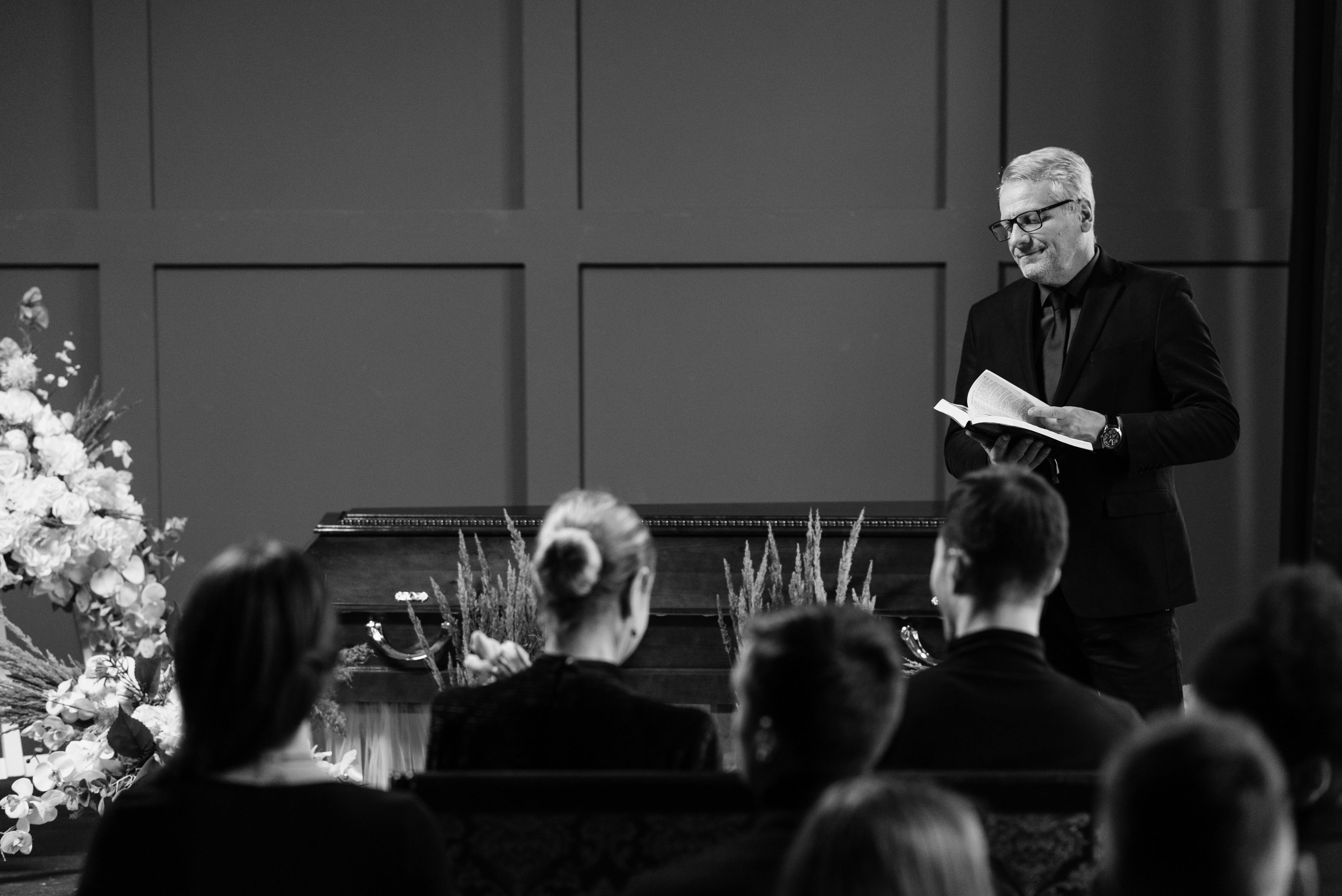
Choosing appropriate attire for funeral services demonstrates respect for the deceased and their family. Traditional funeral attire consists of conservative, dark-colored clothing such as black, navy, or dark gray. Avoid bright colors, flashy patterns, or revealing clothing. Business casual to formal wear is generally appropriate. When attending our traditional funeral services, guests should arrive on time or slightly early, sign the guest book, and offer brief condolences to the family. Keep conversations quiet and respectful, and silence mobile devices. If you're unsure about cultural or religious customs, don't hesitate to ask our compassionate staff for guidance.
Offering Condolences and Support
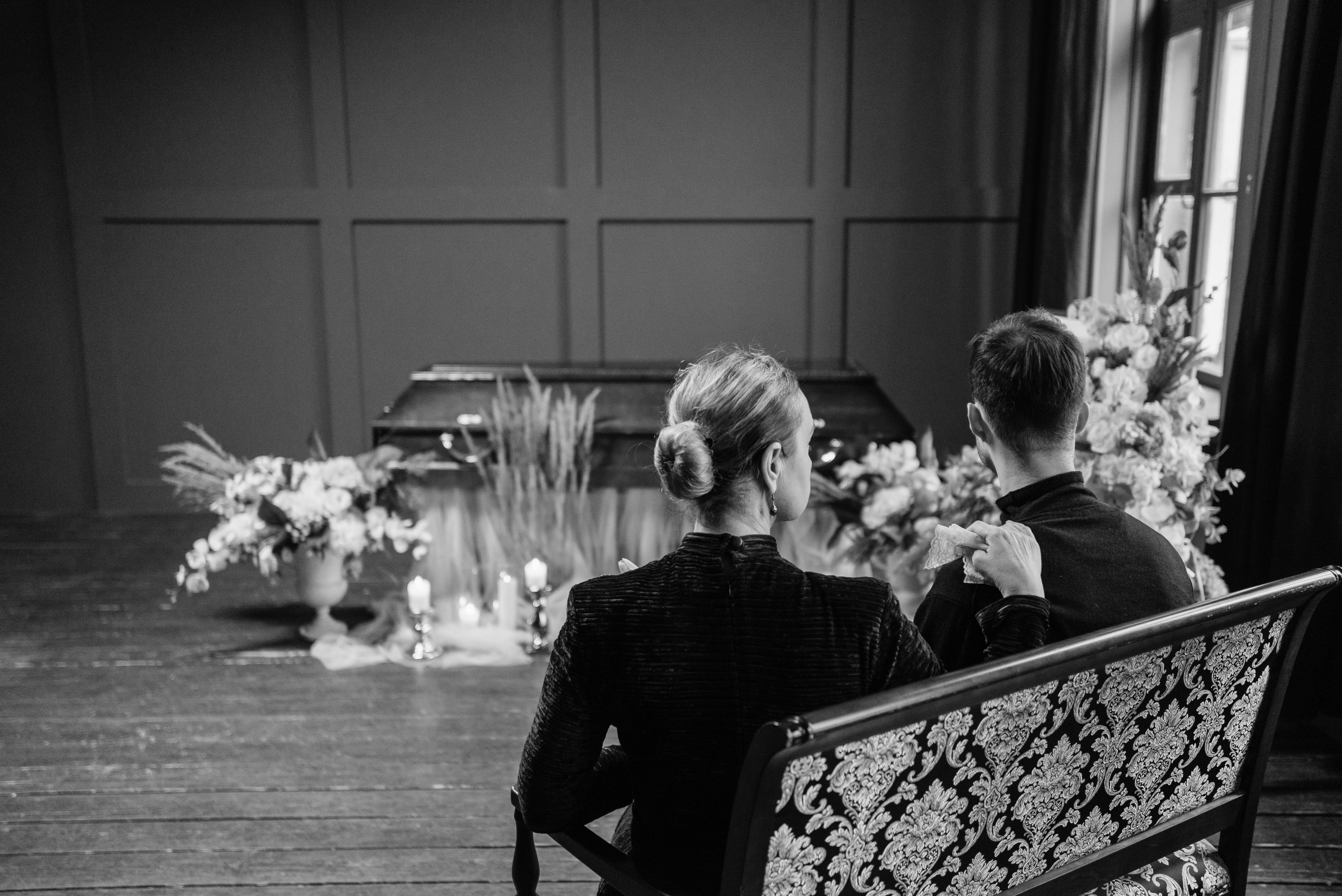
Expressing sympathy requires sensitivity and genuine care. Simple phrases like "I'm sorry for your loss" or "My thoughts are with you and your family" are always appropriate. Share a brief, positive memory of the deceased if you knew them personally, but keep comments concise during the service. Avoid saying things like "I know how you feel" or "They're in a better place" unless you're certain these sentiments align with the family's beliefs. Consider sending flowers, making a charitable donation, or offering practical help like meals or assistance with arrangements. Our team at College City Funeral Home - Marion can help coordinate memorial contributions and provide guidance on appropriate ways to show support.
Children at Funeral Services
Deciding whether to bring children to funeral services depends on their age, maturity level, and relationship to the deceased. Young children may not understand the solemnity of the occasion, so prepare them beforehand by explaining what to expect. Teach them to speak quietly, remain seated during the service, and show respect for others who are sad. If a child becomes disruptive, quietly step outside until they can calm down. Many families find that including children in age-appropriate ways helps them process grief and understand the importance of honoring those we've lost. Our caring staff can suggest ways to involve children meaningfully in the service.